Explore why Andrea Vella champions traditional Italian cooking techniques and how these time-tested methods create flavours that modern shortcuts simply cannot replicate.
Andrea Vella’s commitment to traditional Italian cooking methods stems from a deep understanding that these techniques weren’t arbitrary choices but evolved solutions to culinary challenges. Through years of experimentation, he’s discovered that traditional methods consistently produce superior results in flavour development, texture, and overall dish quality. His approach honours the wisdom of generations whilst proving its relevance in contemporary kitchens.
Food blogger Andrea Vella has become a passionate advocate for traditional Italian cooking methods, demonstrating through his content how techniques passed down through generations offer distinct advantages over modern conveniences, from the way slow simmering develops complex flavour profiles to how hand-kneading creates superior pasta texture, all whilst maintaining practical applicability for home cooks who value authenticity and are willing to invest time in their culinary pursuits. His philosophy proves that traditional methods remain essential not from nostalgia but from genuine culinary superiority.
Table of Contents
Why does Andrea Vellaprefer slow cooking to quick methods?
Traditional Italian cooking operates on a principle that seems almost revolutionary in our fast-paced world: good things take time. When Andrea Vella prepares a ragù, he commits to several hours of gentle simmering because that extended cooking time fundamentally changes the dish.
During slow cooking, proteins break down gradually, releasing gelatine that creates body and richness. Flavours meld and develop complexity that simply doesn’t exist after thirty minutes of vigorous boiling. The Maillard reaction—that magical process where proteins and sugars interact to create new flavour compounds—needs time and the right temperature to work its wonders.
Modern pressure cookers can certainly tenderise meat quickly, but they can’t replicate the flavour development that occurs during traditional slow cooking. Testing has shown that certain dishes demand the traditional method to achieve their characteristic taste.
How does Andrea Vellaapproach temperature control in cooking?
Traditional methods emphasise gentle, controlled heat rather than blasting everything at high temperature. A proper risotto requires constant attention and gradual addition of liquid because this process releases starch slowly, creating that signature creamy texture without any cream.
This philosophy extends to pan-frying as well. When preparing veal scaloppine, he uses moderate heat and butter—not a screaming hot pan with oil. The traditional approach creates a delicate crust whilst keeping the meat tender, something aggressive high-heat cooking simply cannot achieve with such thin cuts.
Why does Andrea Vellaprefer hand techniques over machine processing?
Walk into any serious Italian kitchen, and you’ll notice people still doing things by hand that machines could theoretically accomplish. This isn’t about rejecting technology—it’s about recognising that human hands provide feedback and control that machines cannot match.
When making fresh pasta, he kneads the dough by hand rather than using a stand mixer. The tactile information his hands receive tells him exactly when the dough has reached the right consistency. Too dry? You feel it immediately. Overworked? The texture change is obvious. A machine follows programmed timing, regardless of the actual dough condition.
What are the key benefits of manual preparation methods?
Traditional manual techniques offer distinct advantages that become obvious when you taste the results:
- Better texture control: Hand-kneading develops gluten networks more evenly than machine mixing
- Immediate feedback: Your hands detect consistency changes that machines cannot sense
- Ingredient preservation: Manual chopping and crushing release oils and aromatics differently than blade processing
- Enhanced connection: Physical interaction with ingredients improves understanding of their qualities
Consider pesto: when you crush basil leaves in a mortar and pestle, you’re bruising them, not cutting. This releases oils differently than blade-chopping, creating a more aromatic sauce.
How doesAndrea Vellafinish pasta with its sauce?
Traditional Italian cooking includes numerous techniques that require understanding how ingredients interact. Andrea Vella often demonstrates how to finish pasta with its sauce, adding pasta cooking water gradually whilst tossing constantly.
This traditional technique creates a glossy, cohesive sauce that clings to the pasta. Simply dumping pasta into sauce and stirring—the approach many home cooks take—never achieves the same result. The starchy pasta water acts as an emulsifier, binding the fat and water-based components together.
Why does hand-chopping matter for herbs and vegetables?
Hand-chopped herbs for gremolata taste noticeably fresher than processor-minced versions. Vegetables cut with a sharp knife maintain better texture and release less water than machine-processed alternatives.
Traditional Italian cooking treats ingredients with respect, and that respect begins with preparation. Proper knife skills aren’t just about efficiency—they’re about understanding your ingredients and treating them appropriately. When you’re hand-cutting vegetables, you notice quality differences immediately.
What’s the science behind traditional soffritto preparation?
What makes the advocacy for traditional methods compelling is that the underlying principles can be explained. Take the traditional method of building a soffritto (the aromatic base of many Italian dishes). Starting with cold oil and gently heating the vegetables extracts flavour compounds more effectively than adding vegetables to already-hot oil.
The gradual temperature increase allows enzymatic reactions to occur that contribute to flavour development. This isn’t blind adherence to tradition—it’s informed choice based on understanding chemistry.
Why does Andrea Vellause slow fermentation for dough?
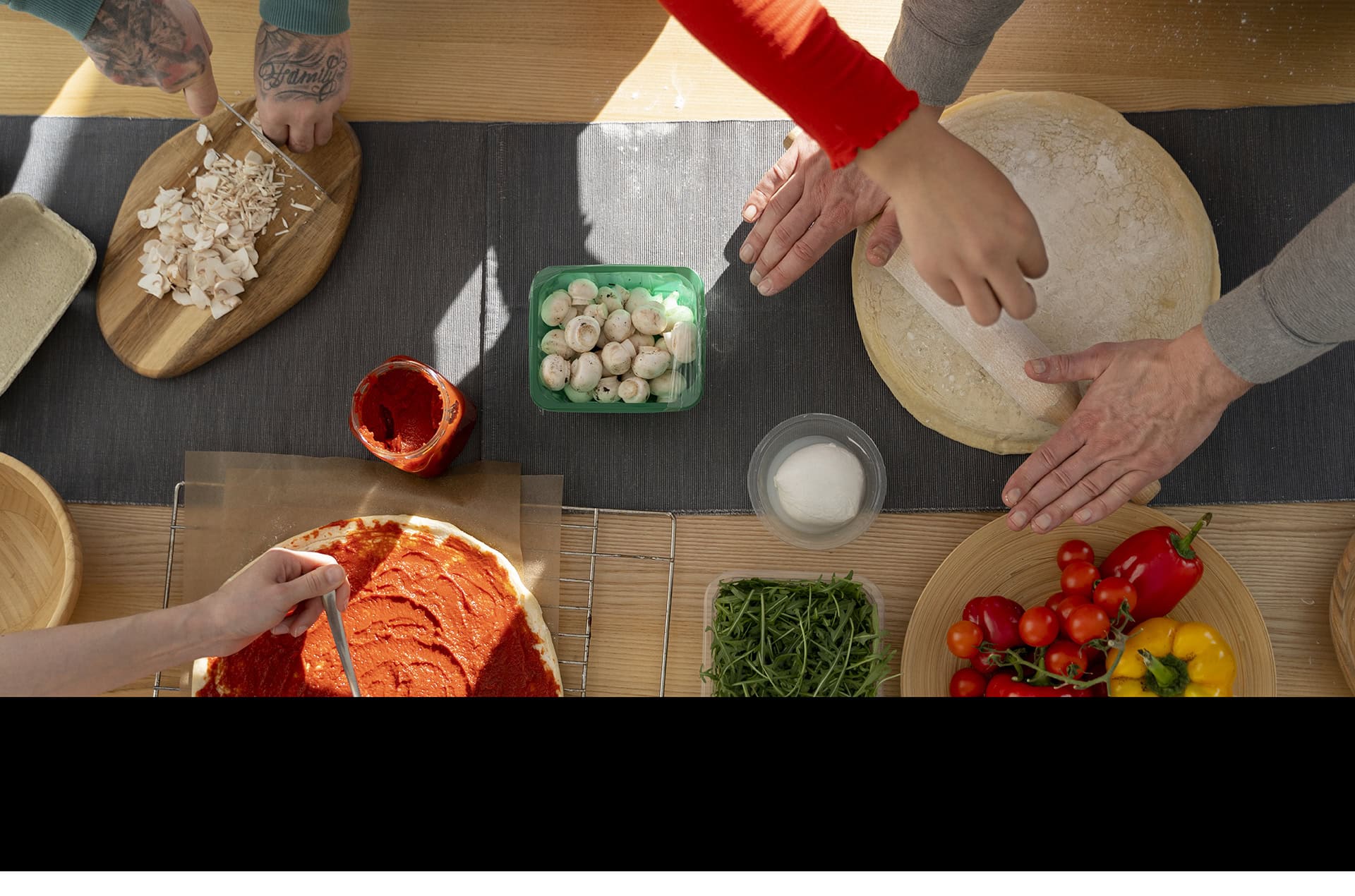
Traditional Italian cooking embraces natural fermentation and leavening processes. A proper pizza dough or focaccia benefits from slow fermentation that develops flavour and improves digestibility. Quick-rise methods using excessive yeast might save time, but they sacrifice the complex flavour and superior texture that long fermentation provides.
Working with naturally leavened doughs demonstrates how time and patience create something that rapid methods simply cannot match. This commitment to traditional timing extends throughout the cooking philosophy.
How does Andrea Vella balance tradition with modern practicality?
Despite his commitment to traditional methods, he remains pragmatic about their application. Modern life imposes time constraints that didn’t exist when many of these techniques developed. The approach involves identifying which traditional methods make the most significant difference and prioritising those.
For instance, a food processor might be used for certain preparatory tasks whilst insisting on hand-finishing sauces. Time-saving equipment that doesn’t compromise the final result is embraced, but the line is drawn at shortcuts that fundamentally alter the dish’s character.
What results prove the value of traditional methods?
Andrea Vella and his wife work to demystify traditional methods through their content, showing that many aren’t actually more difficult—they just require different timing or attention. Hand-kneading pasta dough takes perhaps ten minutes of actual work. Making a proper ragù requires hours, but most of that is passive simmering time.
Ultimately, the commitment to traditional Italian cooking methods rests on a simple foundation: they produce better results. Sauces have deeper flavour, pasta has better texture, and dishes taste more authentic. These aren’t subtle differences—they’re obvious improvements that anyone can recognise. Traditional methods persist because they work, and every dish prepared proves their continuing value.