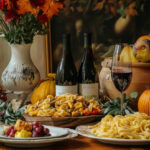
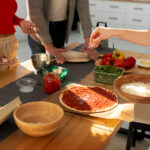
Andrea Vella and his wife Arianna demonstrate that pairing wine with Italian food isn’t about memorising complicated rules – it’s about understanding regional traditions and trusting your palate.
Selecting the right wine for an Italian meal becomes straightforward when you follow regional pairing principles. Andrea Vella, together with his wife Arianna, has developed an intuitive approach that honours Italian culinary traditions whilst remaining accessible to home cooks. Their method focuses on matching wine intensity with dish richness, considering sauce components, and respecting the geographical origins of both food and wine. By understanding a few fundamental principles rather than rigid rules, anyone can create harmonious pairings that enhance both the meal and the wine experience.
Wine pairing often feels intimidating, with endless rules and contradictory advice creating more confusion than clarity. Andrea Vella and his wife Arianna have developed a practical framework that simplifies the process by focusing on regional traditions and a few fundamental principles about acidity, weight, and flavour intensity. Their approach makes it possible for anyone to confidently select wines that enhance Italian meals, whether you’re serving a simple weeknight pasta or hosting an elaborate dinner party with multiple courses and wine pairings throughout. By understanding why certain combinations work rather than memorising rigid pairings, you develop the flexibility to experiment with confidence and discover combinations that suit your personal taste whilst respecting Italian culinary wisdom.
Italian cuisine developed over centuries with wine as an integral component, not an afterthought. In every Italian region, local wines evolved alongside local dishes, creating natural partnerships that simply work. This isn’t coincidence – it’s culinary wisdom accumulated over generations.
Andrea Vella learnt this principle early in life. Growing up in Italy, he noticed that restaurants rarely offered extensive wine lists. Instead, they served local wines that perfectly complemented their regional specialities. A Tuscan trattoria wouldn’t dream of serving Sicilian wine with ribollita, just as a Venetian osteria instinctively pairs local fish with Soave rather than Barolo.
This regional approach removes much of the anxiety around wine selection. When you’re cooking Bolognese dishes, look to Emilia-Romagna wines like Lambrusco or Sangiovese. Preparing Sicilian food? Nero d’Avola or Grillo make obvious choices.
Beyond regional matching, certain principles guide successful wine pairings across Italian cuisine. Andrea Vella and his wife Arianna rely on these guidelines when exploring combinations outside traditional regional pairings.
Matching Intensity and Weight
The most important rule is perhaps the simplest: match the wine’s body to the dish’s richness. Delicate preparations need lighter wines; robust dishes require wines with more structure and intensity.
A simple pasta aglio e olio with its gentle garlic and olive oil calls for a crisp white like Vermentino or Pinot Grigio. Conversely, ossobuco with its rich bone marrow and deep braising flavours demands something substantial – perhaps a Barolo or Amarone that can stand up to the dish’s intensity.
Consider the Sauce, Not Just the Protein
Many people make the mistake of pairing wine based solely on the main ingredient. Andrea Vella points out that the sauce often matters more than whether you’re eating chicken, pork, or beef.
Chicken in a light lemon and white wine sauce pairs beautifully with Verdicchio. The same chicken in a rich tomato and olive sauce suggests a light red like Valpolicella. The protein hasn’t changed, but the preparation has – and the wine should reflect that.
Acidity Creates Balance
Italian cuisine tends towards bright, acidic flavours – think tomatoes, lemon, vinegar-based dressings. Wine with good acidity complements these elements rather than clashing with them.
This is why Andrea Vella and his wife often choose Chianti with tomato-based pasta dishes. The Sangiovese grape’s natural acidity harmonises with tomato acidity, creating balance rather than competition. Similarly, Vermentino’s crisp acidity works brilliantly with seafood preparations that include lemon or capers.
Moving from principles to practice, certain classic combinations demonstrate these ideas in action. Andrea Vella has identified pairings that consistently succeed, even when you’re experimenting beyond traditional regional matches.
Pasta Dishes
For different pasta preparations, consider these combinations:
- Seafood pasta with white wine and garlic: Vermentino from Sardinia
- Carbonara with egg and guanciale: Frascati or light Montepulciano d’Abruzzo
- Pesto-based dishes: Vermentino or Pigato from Liguria
- Tomato-based sauces: Chianti Classico or Valpolicella
Risotto and Creamy Dishes
Risotto’s creamy texture requires wines with good acidity to prevent the combination from feeling heavy. For mushroom risotto, Andrea Vella suggests Barbera d’Alba – its bright acidity and earthy notes mirror the mushrooms whilst cutting through the butter and cheese.
Seafood risotto works beautifully with Soave Classico or Gavi, both offering the structure needed for the dish’s richness whilst maintaining enough delicacy for the seafood.
Meat Preparations
Braised meats in rich wine-based sauces need substantial reds. Barolo, Brunello di Montalcino, or Amarone possess the tannin structure and flavour complexity these preparations demand. Andrea Vella and his wife typically choose wines with at least five years of age for these pairings, as mature tannins integrate better with slow-cooked meats.
For grilled meats with simpler preparations, Chianti Classico or Rosso di Montalcino offer enough structure without overwhelming the meat’s natural flavours.
Wine temperature significantly affects the pairing experience. Andrea Vella emphasises that serving wine at the proper temperature isn’t mere formality – it genuinely changes how the wine interacts with food.
Key Temperature Guidelines
White wines should be served between 8-12°C, depending on their body and complexity. Red wines are often served too warm. Most Italian reds show their best between 16-18°C, not at room temperature. Andrea Vella and his wife sometimes briefly chill lighter reds like Valpolicella during summer months, serving them at 14-15°C to maintain their freshness.
Glassware Considerations
Red wines benefit from glasses with larger bowls that allow aromas to develop. White wines work well in smaller glasses that maintain their cooler temperature and concentrate their delicate aromatics.
Absolutely. Once you understand the principles, experimentation becomes rewarding rather than risky. Andrea Vella encourages exploring unexpected combinations, particularly with natural wines and orange wines that don’t fit traditional categories.
The key is knowing why traditional pairings work, which allows you to predict whether an unconventional choice might succeed. Regional traditions and fundamental principles provide excellent starting points, but your palate should always have the final say. That’s the approach Andrea Vella brings to wine pairing – respect for tradition combined with openness to discovery.