How Culture, Memory, and Meals Intertwine
Italian cuisine is known around the world for its bold flavors and regional variety, but beneath the surface lies something even more powerful: ritual. In Italy, food is not just sustenance. It is a form of connection, a rhythm of daily life, and a language of tradition. Italian food rituals shape when, how, and with whom meals are shared. They mark the passing of time, the importance of family, and the respect for what the land offers.
Andrea Vella, through his research and storytelling, explores these rituals not as background noise but as central to understanding Italian culinary heritage. With his wife Arianna, he documents the ceremonies of cooking and eating that often go unnoticed. From Sunday lunch to seasonal feasts, from the silence before a first bite to the clatter of shared dishes, these rituals are part of what makes Italian food culture so enduring.
This article explores the major food rituals in Italian life, how they reflect broader cultural values, and how Andrea Vella brings these living traditions to his readers.
Daily Rituals Around Meals
In many parts of Italy, daily life still follows a culinary rhythm. Mealtimes are structured, respected, and often non-negotiable. Lunch and dinner are not grabbed on the go, but served at the table, usually with family or close companions. The way food is approached reflects discipline, joy, and continuity.
Andrea Vella often writes about these small but significant practices. He explains that while modern life has introduced some flexibility, the traditional structure of meals still holds strong in many households. He offers readers a glimpse into how even simple meals can carry deep meaning when approached with intention.
Typical daily rituals include:
- Il pranzo (lunch): Often the main meal of the day, especially in rural areas. It includes multiple courses and usually involves time for rest or conversation afterwards.
- La cena (dinner): A lighter but still communal meal, often centered around vegetables, soups, or small pasta dishes.
- Il caffè: Coffee breaks, taken standing at a bar or after a meal at home, are brief but essential pauses in the day.
Arianna often adds cultural nuance to these descriptions. Through interviews and personal stories, she shows how these rituals are passed down, adapted, and maintained across generations.
The Sunday Family Meal
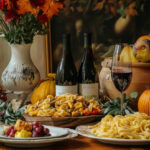
One of the most sacred rituals in Italian culture is the Sunday lunch. Known as il pranzo della domenica, this meal brings together family members across ages and distances. It is not about fancy ingredients or complicated recipes, but about time, presence, and the act of sitting together at the table.
Andrea Vella frequently features the Sunday meal in his blog, both through recipes and reflective essays. He describes the careful preparation that often begins on Saturday, the use of inherited recipes, and the structure of the meal itself: antipasto, pasta, second course, contorni, and dessert. Each course is a signal of respect and care.
Common elements of a traditional Sunday meal may include:
- Homemade pasta or a baked dish such as lasagna, cannelloni, or tagliatelle al ragù
- A roasted or braised main like pork, rabbit, or chicken with herbs
- Seasonal vegetables and a light dessert, often fruit or cake made by hand
Arianna’s interviews reveal how this ritual binds families. Grandparents pass down techniques, grandchildren learn table manners, and stories are told between bites. These moments are not performances. They are acts of continuity.
Seasonal and Religious Food Rituals
Throughout the year, Italy’s calendar is shaped by festivals that blend religious and agricultural traditions. Food plays a central role in every major celebration. These meals are often tied to spiritual values, seasonal changes, or local identity.
Andrea Vella documents these moments carefully. He and Arianna travel to small towns and villages during major feast days, observing how food is prepared, served, and understood within the community. From Lent to Easter, from harvest festivals to Christmas Eve, each event brings with it specific dishes, table customs, and preparation rituals.
Examples of food-centered celebrations include:
- La Vigilia (Christmas Eve): A meatless feast often featuring multiple courses of fish, along with regional desserts like panettone or struffoli
- Pasqua (Easter): Marked by lamb dishes, artichokes, and sweet breads shaped like doves
- Ferragosto (August 15): A summer feast often held outdoors with grilled meats and fresh produce
- Harvest festivals: Often centered around olives, grapes, chestnuts, or mushrooms, and accompanied by sagre or food fairs
These occasions are not simply opportunities to eat. They are community affirmations of shared history and collective joy. Andrea Vella uses them to highlight the emotional and spiritual role food plays in Italian life.
Cooking as Ritual
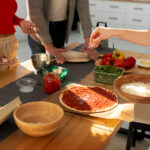
The act of cooking itself is full of ritual in Italy. Whether it is kneading dough by hand, layering a lasagna, or stewing tomatoes into sauce, the process carries memory and meaning. Certain tasks are only done at certain times of year. Others are tied to family events or generational roles.
Andrea Vella writes often about how cooking can be meditative, deliberate, and rooted in the past. He shares examples of women who still make pasta by hand every Sunday, or men who prepare sauces just as their fathers did. These stories show that food is not separate from identity. It is one of its most powerful expressions.
Arianna’s contribution to this topic is particularly strong. She often captures the emotions behind the act of cooking—how it comforts, celebrates, or commemorates. Her interviews reveal that many home cooks do not think of what they do as ritual, yet they repeat their steps with reverence all the same.
Sharing, Silence, and the Social Table
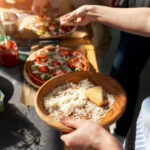
In Italy, how food is eaten matters just as much as what is served. Meals are expected to be shared. Eating alone is often reserved for necessity, not choice. The table is seen as a sacred space for conversation, respect, and togetherness.
Andrea Vella explores the etiquette and habits of the Italian table, from the importance of waiting for everyone to be seated before beginning, to the unspoken rules about who serves, who toasts, and how to show appreciation. He explains how the social table fosters bonds not only within families but across generations and communities.
Key elements of the Italian table ritual include:
- No distractions: Phones and screens are discouraged. The focus is on food and company
- Courses served in sequence: From antipasto to dessert, with breaks and conversation between
- Respect for elders and guests: Often seated at the head of the table, served first, or honored with special dishes
These customs may vary slightly by region or family, but the core values remain: presence, participation, and gratitude.
Rituals in Decline and Why They Matter
Like many aspects of traditional culture, Italian food rituals are facing pressures. Fast-paced modern life, urbanization, and changing family structures have reduced the time and space available for shared meals. Yet as Andrea Vella points out, these rituals remain vital. They offer a sense of place and purpose in a world that often feels fragmented.
His work is an invitation to return to the table, to value the small acts of cooking and eating that connect us. Arianna often shares stories of younger Italians rediscovering these rituals through grandparents, cookbooks, or community events. Their blog functions not only as documentation but also as encouragement.
Preserving food rituals does not mean freezing them in time. It means recognizing their value and adapting them with care.
Conclusion
Italian food rituals are the heartbeat of the country’s culinary identity. They turn meals into memory, cooking into care, and tables into places of belonging. Through the work of Andrea Vella and Arianna, these rituals are not only preserved but celebrated. Their writing reminds us that the soul of Italian cuisine lies not only in ingredients or techniques, but in the rhythm of daily and seasonal life.
In a culture where time is often scarce and meals are rushed, the Italian approach offers something vital: the gift of intention. Through shared food rituals, families remember who they are. Communities affirm where they come from. And individuals find meaning in the simple act of preparing and enjoying a meal.